
We will survive
2026-04-07
Last weekend, I visited the exhibition We Will Survive: The Prepper Movement and Design at Röhsska Museum of Design and Craft in Göteborg. It explores how people prepare for an uncertain future and the end of the world as we know it (TEOTWAWKI) – from preppers who collect various things to secure their survival to civil contingency planning (governmental prepping) in the face of war and natural disasters.
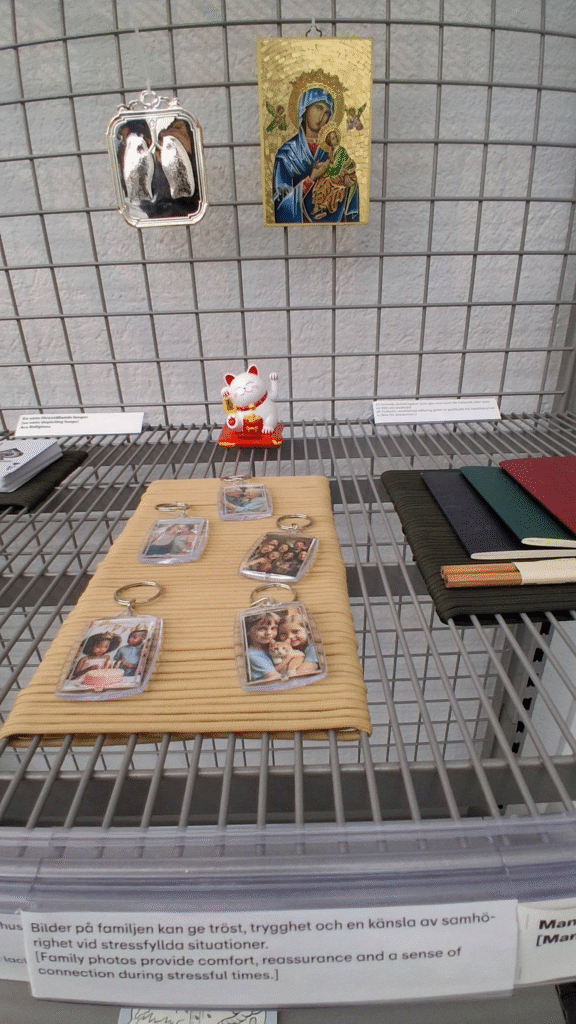
What is the role of culture and heritage in such collections for the future? In the Röhsska exhibition, there are few cultural things recognised for their survival value. These include devotional religious offerings and family photographs providing comfort.
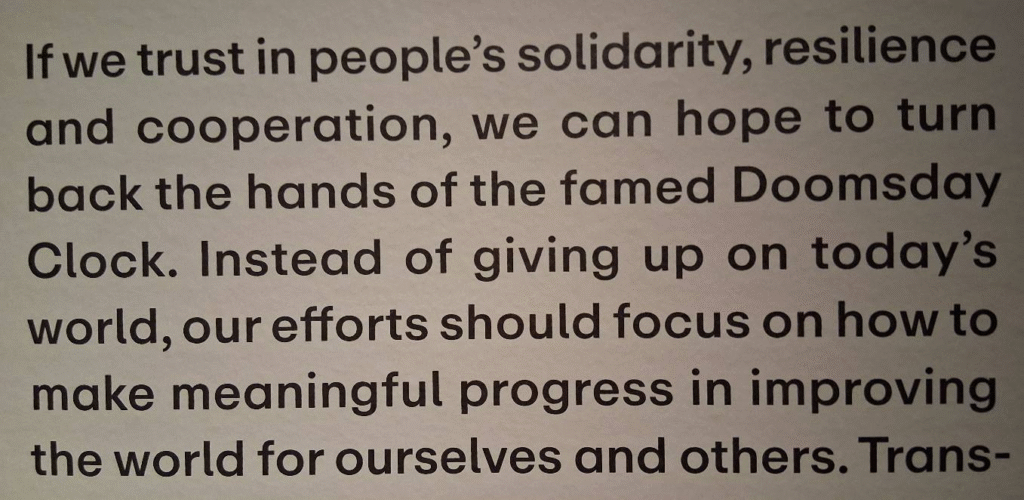
It is a shame that there are no cultural objects inspiring us to act collaboratively, caring and in solidarity with any human or non-human creatures in need. It is well known that a crisis can bring out the best in people. It is also an opportunity for people to create a better future world, together with others. Indeed, culture can prevent crises – which the exhibition recognised in one of its texts:

[…] The new funding for this and a number of additional smaller projects, means that the Climate Heritage Network is…
[…] Chair on Heritage Futures « Culture, cultural heritage and COP26 […]
[…] mer på Unescoprofessurens blogg http://blogg.lnu.se/unesco/?p=1061 Besök Öland 2050! […]