UNESCO

Chair on Heritage Futures

Survival kit

2026-04-29

Today, Gustav Wollentz and Cornelius Holtorf attended the Vernissage of the exhibition Survival Kit at Kalmar Art Museum. I also contributed to a panel discussion held on the occasion, discussing the exhibition and the task of hopemaking.

The exhibition is part of the Småland Triennial: Anxiety – art, preparedness and resistance  and is produced in collaboration with Linnaeus University in the context of the interdisciplinary research project  
Hopemaking: Nurturing cultures of positive resistance. We are glad we were able to commission the art work Hope Studio by Kultivator (see picture).
World heritage and peacemaking

2026-04-28

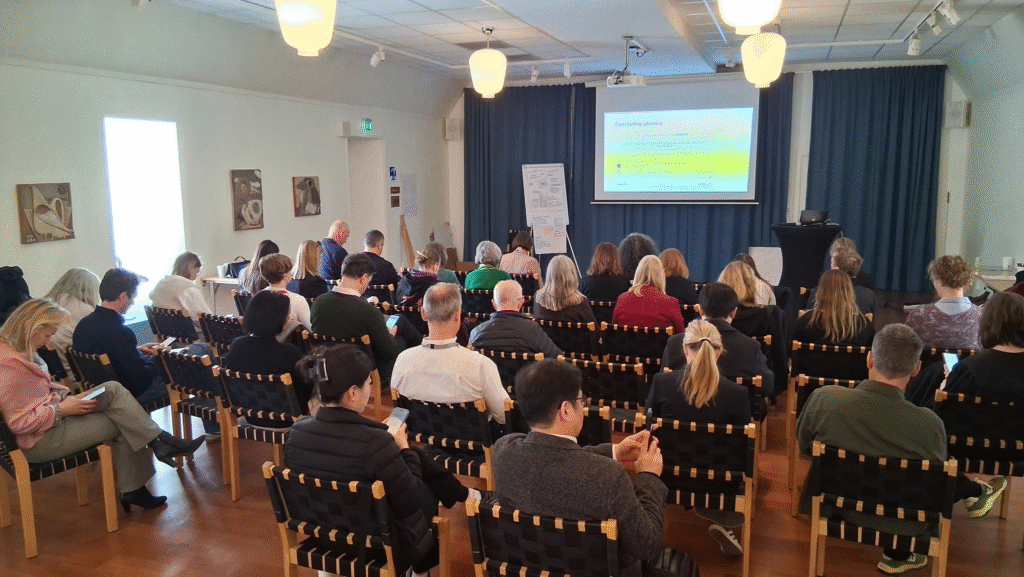
Cornelius Holtorf was invited by the Organization of World Heritage Cities (OWHC) to run a Futures Workshop on 28 April 2026 in Visby om Gotland, Sweden. This was a follow-up workshop from a previous Futures Workshop held by the OWHC in September 2024 in Cordoba.

The topic jointly chosen for this workshop was World Heritage sites and global peace-making. The workshop resulted in a list of possible action items for the coming year and beyond.

Among the ca 40 participants in total were world heritage site managers and local decision-makers from Belgium, Canada, Croatia, Czech Republic, Germany, Korea, Lithuania, Luxembourg, Sweden, and the USA. This included Darius Jasaitis, Mayor of Neringa in Lithuania, Matea Dorčić, Deputy Mayor of Split in Croatia, and Wolfgang Dersch, Head of Culture in the City of Regensburg in Germany.

Proposals for priorities 2027-30

2026-04-17

I contributed to an online discussion with Swedish representatives of UNESCO-related activities as part of the consultation process in the context of developing a new strategy for the Swedish National UNESCO Commission 2027-2030.

Every four years, a new strategy is created in the context of other documents, such as now the Swedish government’s strategy for collaborating with UNESCO 2022-25 and UNESCO’s own Medium-Term Strategy 2022-29.

I made the following concrete proposals:

  1. Swedish interests should also include the world’s needs
  2. strengthen global multilateralism
  3. promote intergenerational fairness (EU Commissioner, UN Pact for the Future)
  4. shape the post-2030 agenda (cultural goal)
  5. strengthen a culture of peace
  6. strengthen trust in societies (important role of culture)
  7. strengthen collaboration with (and among) UNESCO Chairs in Sweden

We will survive

2026-04-07

Last weekend, I visited the exhibition We Will Survive: The Prepper Movement and Design at Röhsska Museum of Design and Craft in Göteborg. It explores how people prepare for an uncertain future and the end of the world as we know it (TEOTWAWKI) – from preppers who collect various things to secure their survival to civil contingency planning (governmental prepping) in the face of war and natural disasters.

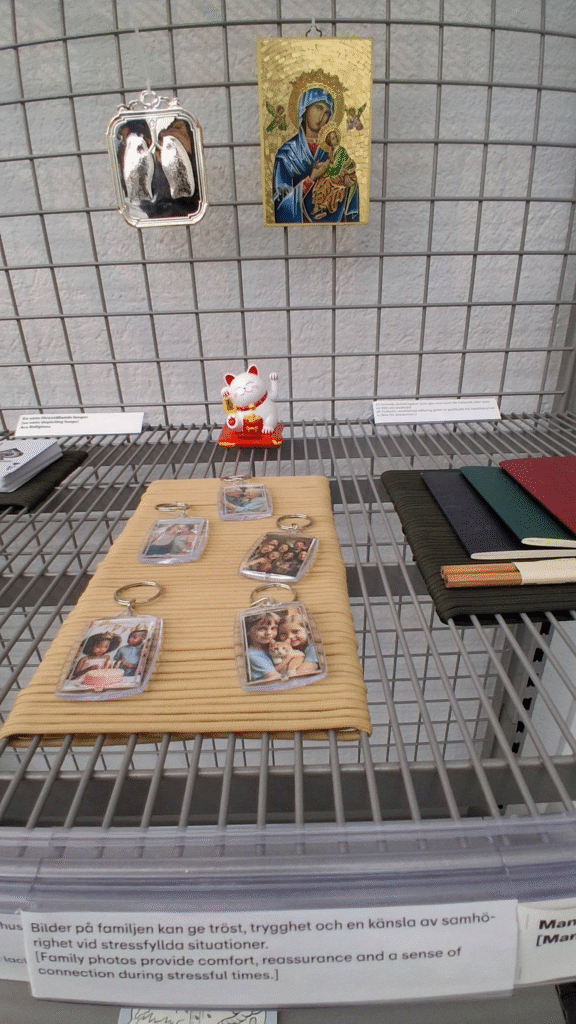
What is the role of culture and heritage in such collections for the future? In the Röhsska exhibition, there are few cultural things recognised for their survival value. These include devotional religious offerings and family photographs providing comfort.

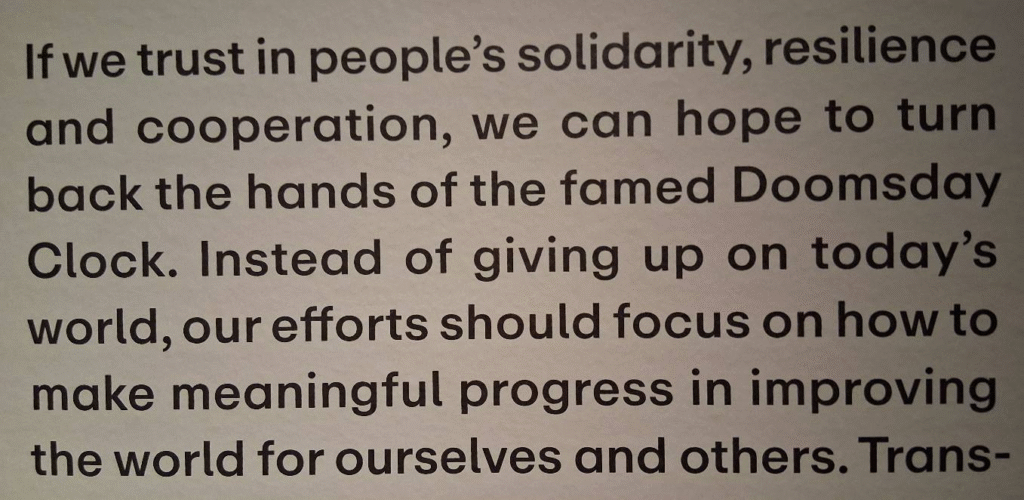
It is a shame that there are no cultural objects inspiring us to act collaboratively, caring and in solidarity with any human or non-human creatures in need. It is well known that a crisis can bring out the best in people. It is also an opportunity for people to create a better future world, together with others. Indeed, culture can prevent crises – which the exhibition recognised in one of its texts: