
UNESCO Chair at Nordic TAG
2026-05-12
Nordic TAG at Linnaeus University Kalmar was the largest archaeological conference in Scandinavia in 2026. It was co-organized by Gustav Wollentz and Emily Hanscam (together with two colleagues).
The theme of the conference was ‘Activating Archaeology for Just Futures’, exploring the interface between research and activism and the potential for archaeology as a practice – from the contract archaeology trenches to the university lecture halls – to be an active and engaged partner in building just futures.
The conference included nearly 200 participants, ran for 3.5 days with 19 sessions and 4 workshops.
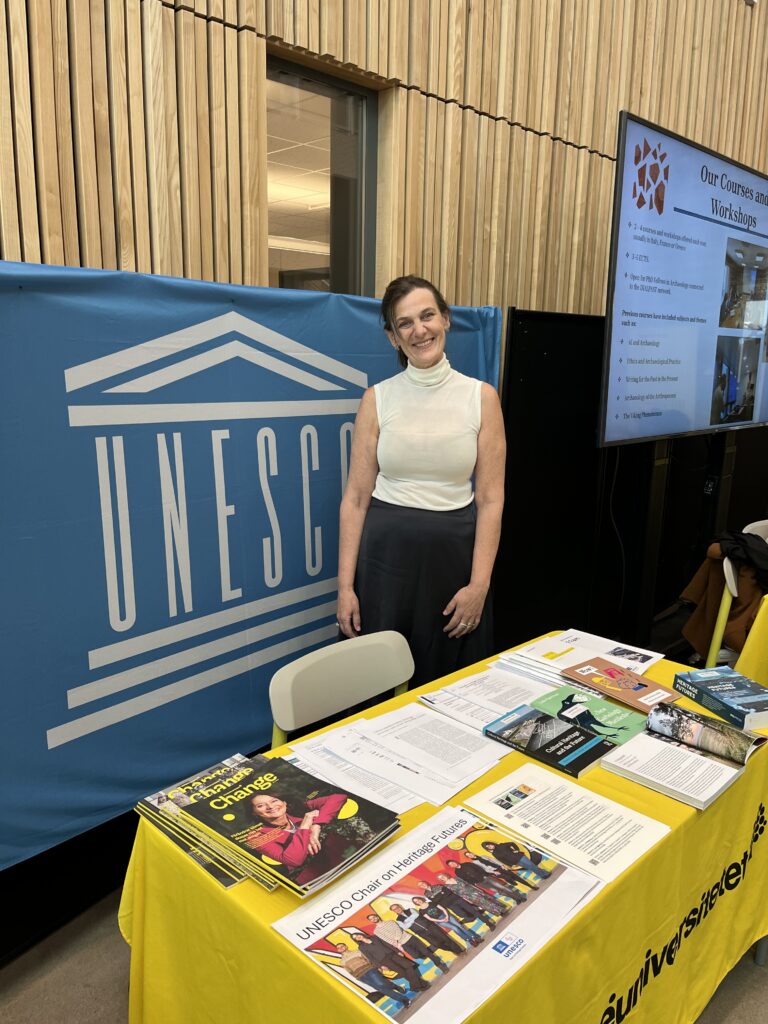
Helena Rydén organised and ran a table with publications and other information about the work of the UNESCO Chair at Linnaeus University (7-8 April 2026).
Anders Högberg, Gustav Wollentz and Emily Hanscam co-organized and co-chaired a half-day session on “Reconceptualizing Heritage for Lasting Peace”. They also gave a joint introductory paper with the same title as the session (8 May 2026).
Marcy Rockman also presented in the session on “Reconceptualizing Heritage for Lasting Peace” (8 April 2026).
Gustav Wollentz and Leila Papoli-Yazdi co-organized a workshop on ”Imagining Novel Futures for Archaeology”, with 15 contributors (9 April 2026).
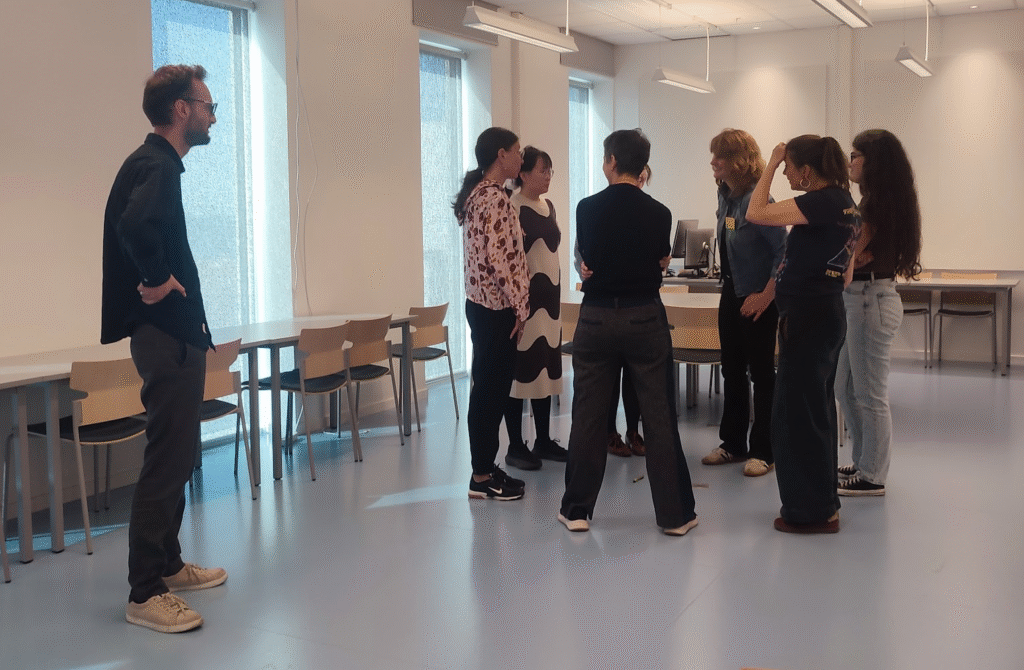
Cornelius Holtorf presented a paper entitled “Alternative Futures: How can cultural heritage be mobilized for peace rather than war?” in a session on “Reconceptualizing Heritage for Lasting Peace” (8 May 2026)
Gustav Wollentz presented a paper entitled “Reimagining heritage through hope and potentiality” in a session on “Reconceptualizing Heritage for Lasting Peace” (8 April 2026).
Cornelius Holtorf co-organised as session on “Soil as Archive, Actor and Ally: Rewilding Archaeological Practice” for an audience of cirka 30 participants (8 May 2026).
Cornelius Holtorf presented a paper entitled “Devouring the Iron Age: A Life-Centred and Culinary Approach to the Soil” in the session on “Soil as Archive, Actor and Ally: Rewilding Archaeological Practice” (8 May 2026). The paper was presented outdoors:
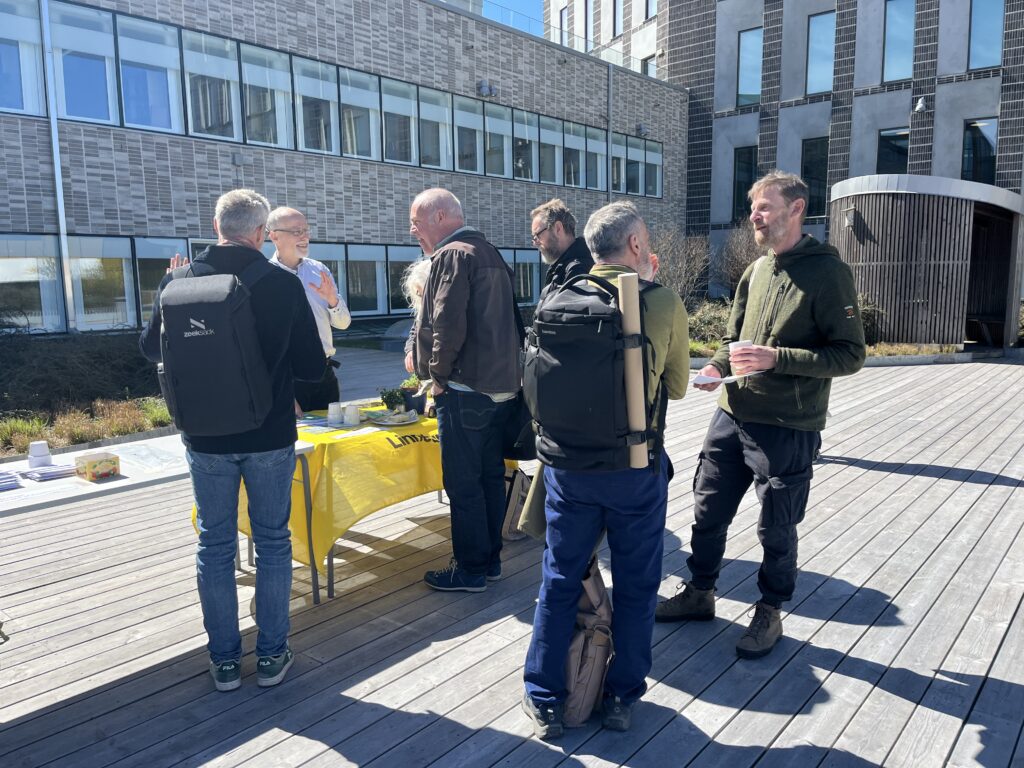
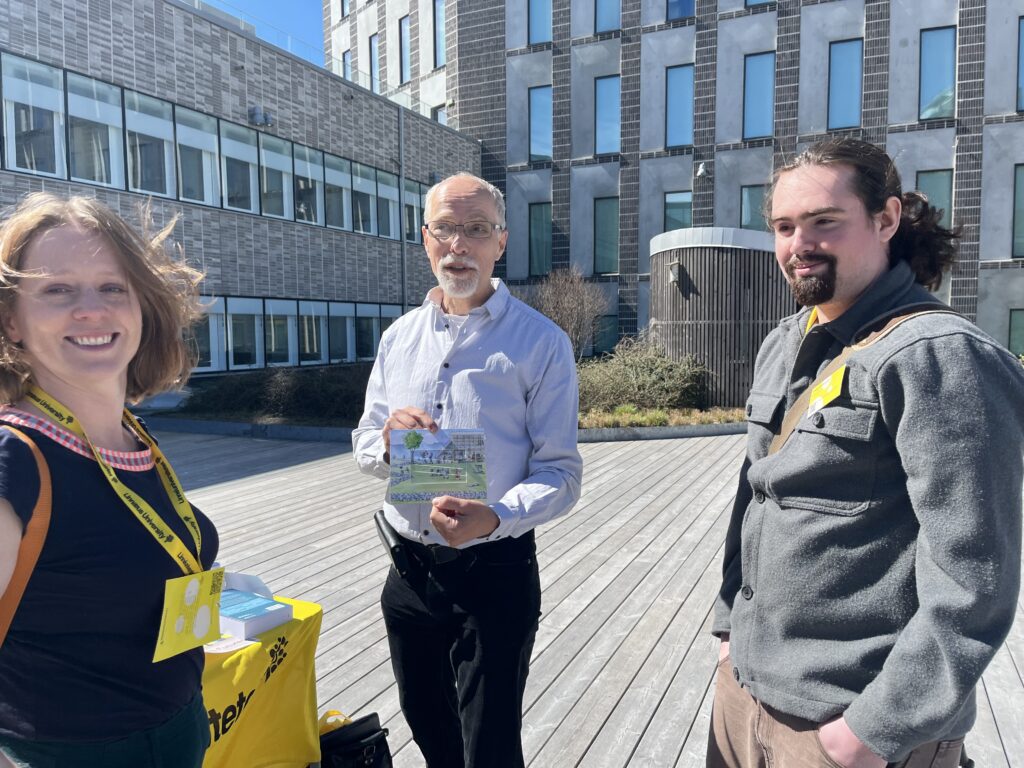
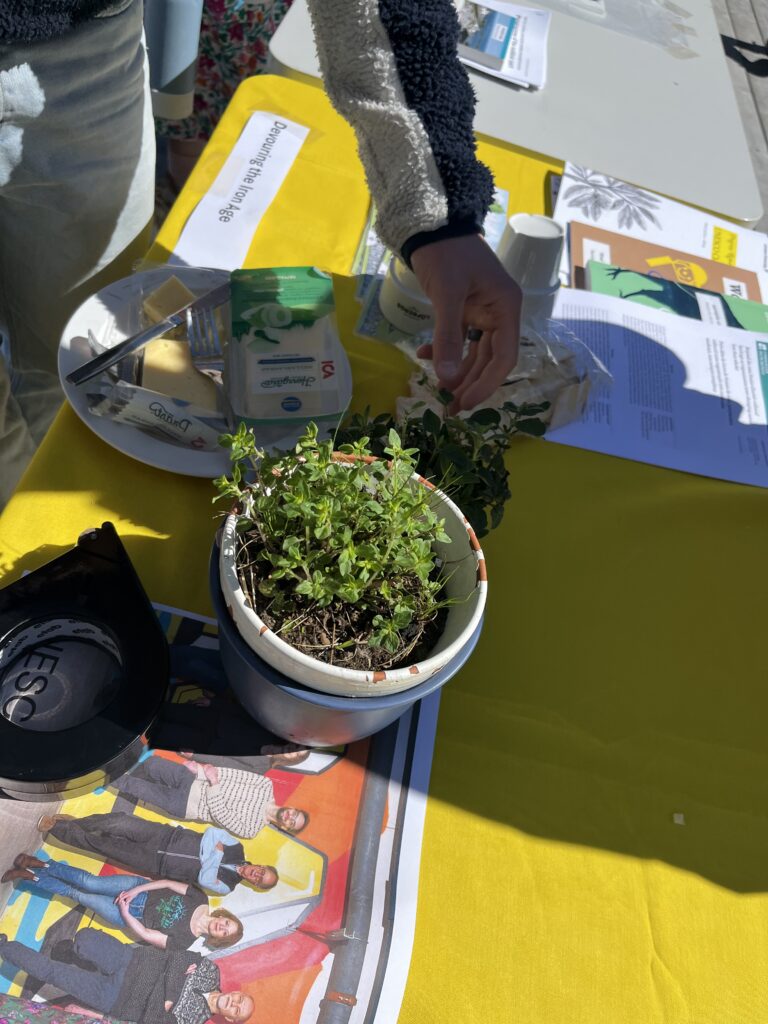
Cornelius Holtorf presented the paper “Devouring the Iron Age: A Life-Centred and Culinary Approach to the Soil” on 8 May 2026. The presentation took place outdoors, featuring an oregano plant grown in soil from an archaeological excavation on Öland.
Watch a short video clip here: Cornelius Holtorf demonstrating to visitors https://play.lnu.se/media/t/0_v66b1bak
Watch a short animation (postcard) here
Leila Papoli-Yazdi organized a session called “Association of Poor Archaeologists” which was held on 7 May.
Read more about Nordic TAG 2026 here (In Swedish)

[…] The new funding for this and a number of additional smaller projects, means that the Climate Heritage Network is…
[…] Chair on Heritage Futures « Culture, cultural heritage and COP26 […]
[…] mer på Unescoprofessurens blogg http://blogg.lnu.se/unesco/?p=1061 Besök Öland 2050! […]