
A Fossil Discovered in an Iron Age Excavation by archaeology students in Löt, Öland
Postat den 2nd October, 2026, 15:08 av Cornelius Holtorf
By Nur Esin Karaosman, Visiting PhD student at the UNESCO Chair on Heritage Futures, Linnaeus University
During an archaeological excavation in Löt, Öland, conducted as part of a large research project on ringforts on Öland and of Linnaeus University’s archaeology program, what may be the oldest find of the excavation was brought to the UNESCO Chair on Heritage Futures.
It was found on 17 September 2026, during a conversation among the students about how to distinguish a fossil from “just-a-stone”. Helena Deller, a Master’s student in archaeology, noticed the fossil and, just before removing it from the trench, showed it to Esin Karaosman, a visiting doctoral student at the Chair who was taking part in the excavation that day.
It was important enough for Esin to keep, but not important enough to be archived as part of the Iron Age excavation. The find has been documented at the Chair, where the investigation continues.
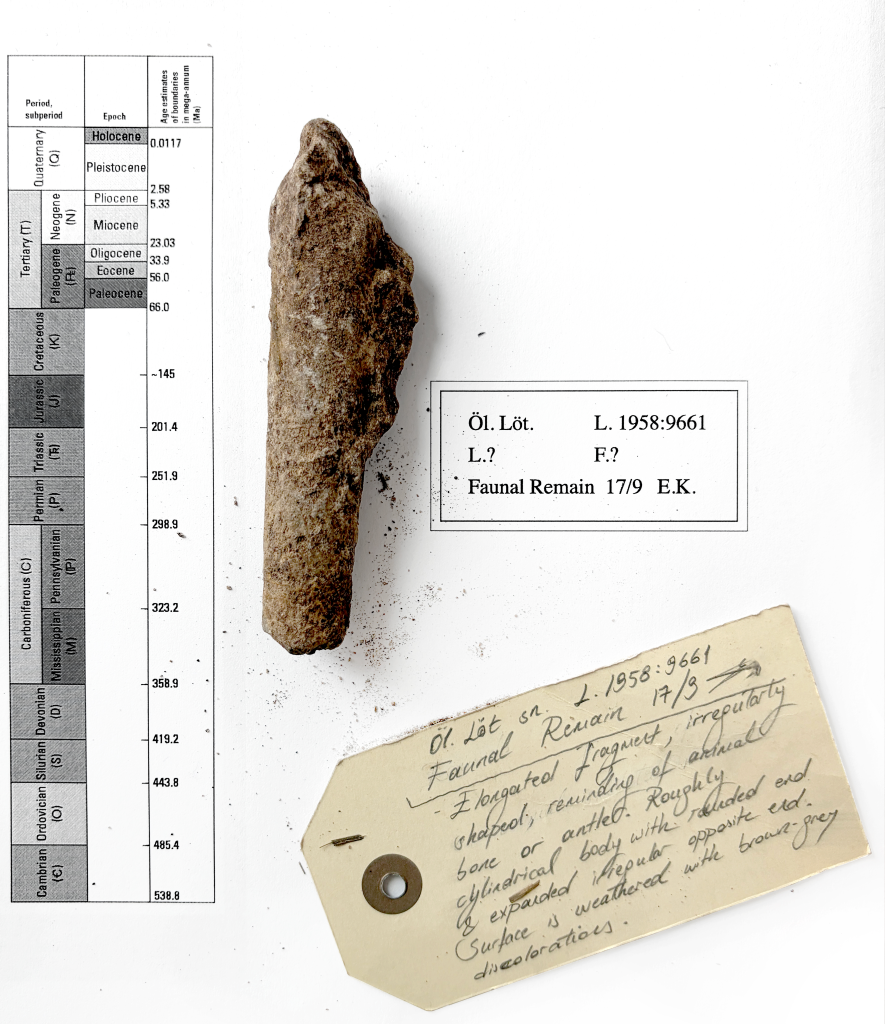
Fig.1: The documentation of the find, including its speculative future. (Photograph by Esin Karaosman.)
It is very possible that the find was already here when the Iron Age settlement was inhabited. Esin considers the find an important object for archaeological practice. “Perhaps someone living here in this Iron Age house picked it up too, because it reminded them of something,” she says. “Then we would be looking at the same stone or the same fossil, only making sense of it in different ways today.”
Whether or not the fossil was a part of the history of the site, therefore the past human lives, it has already become an archaeological find.
A conversation with a geologist at Linnaeus University, Christopher Allen, confirmed that it is a fossil. The find holds the traces of an animal that was once alive in the same place, but in a sea that covered Öland 450 million years ago.
Esin recalls a quote from Cornelius Holtorf which he said at another Iron Age site nearby, on 12 September at around 3.19 pm: “We are looking at the same sky as people in the Iron Age, sitting in the same place. We will probably look at the same sky, also in the future.” The fossil, too, will be looked at again, and its story will continue to unfold in the future.
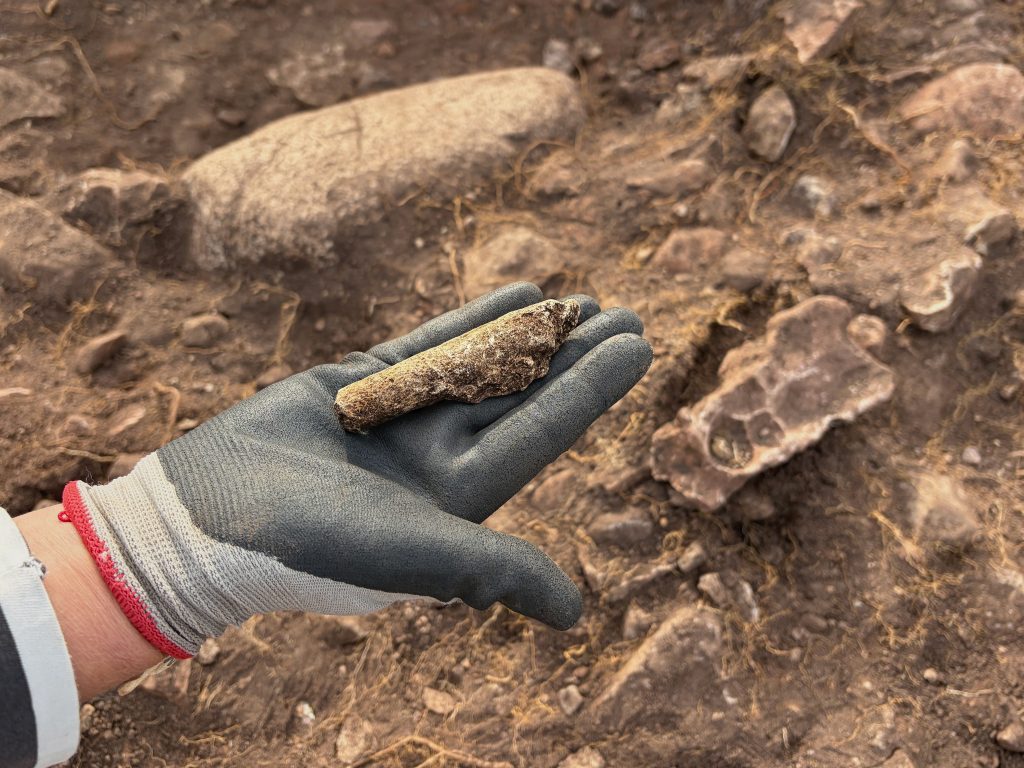
Fig.2: The re-enactment of the moment when the fossil became an archaeological find. (Photograph by Esin Karaosman.)
The find is already evidence of a life that reaches far beyond the site’s Iron Age. It is also the evidence of the very recent past: of archaeological sensibility and of students being trained how to see; of the class that took place that day; and of the conversation between Helena and Esin about what counts as evidence for the story of a site.
Not only these stories change the life of the find, but also the finds and their stories change how the site will be remembered, known and imagined. Having escaped the Iron Age archive, the find continues its travels and transformations. (1)
Note: This article is inspired by the following article: Holtorf, C. 2006. “A silver ring discovered by Swedish archaeologists in Portugal.” World Archaeological Congress eNewsletter no. 12, and The European Archaeologist no. 26, 16.
(1) This endnote is left for the texts that will change the enduring life of the artifact, and of the site.
Det här inlägget postades den October 2nd, 2026, 15:08 och fylls under blogg