UNESCO

Chair on Heritage Futures

The roles of heritage when the world changes

2026-10-25

As part of the Scientific Symposium “Living Heritage” of the 2026 General Assembly of the International Council of Monuments and Sites (ICOMOS) in Kuching, Malaysia, I organized and chaired on 20 October 2026 a panel discussion on “How can cultural heritage sites contribute to the world’s common future?”. The panel attracted more than 100 participants.
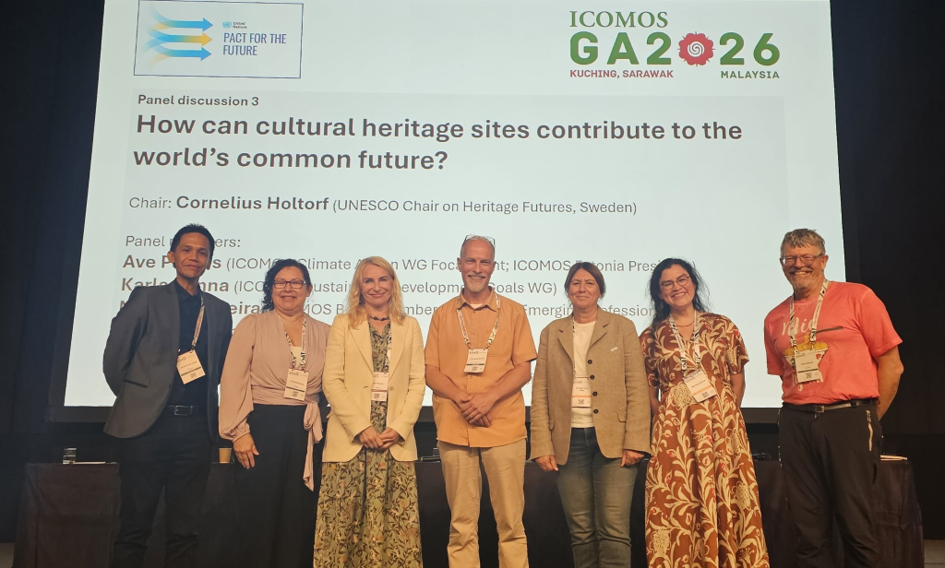
Panel members from left to right: Nicholas Gani (Malaysia), Karla Penna (Brazil/Australia), Ave Paulus (Estonia), Cornelius Holtorf (Sweden) Zeynep Gül Ünal (Turkey), Mariana Pereira (Portugal), Steve Brown (Australia).

ABSTRACT:

The 2024 UN Pact for the Future calls for “a new beginning in multilateralism” and sets out an ambitious agenda for protecting the needs and interests of present and future generations. What role can cultural heritage sites and landscapes play in this common future we do not know yet? Beyond protecting heritage from the impacts of conflict, climate change and other global threats, how might cultural heritage actively contribute to more sustainable, peaceful and inclusive futures under challenging and changing conditions? And how can ICOMOS help realise this potential through international cooperation? This panel brings together experts from different parts of the world to explore how we can get the future we want.

Panel members:  

Cornelius Holtorf (ICOMOS Sweden, member of three ISCs). Cornelius Holtorf is a Professor of Archaeology and holder of the UNESCO Chair on Heritage Futures at Linnaeus University in Kalmar, Sweden. He is specializing in heritage theory, heritage futures, and contemporary archaeology.

Steve Brown (ICOMOS Australia, International Scientific Committee on Cultural Landscapes (ISCCL)). Steve Brown is an Adjunct Professor at the Centre for Creative and Cultural Research, University of Canberra, Australia, and an Advisor with the consultancy GML Heritage. His interests include World Heritage and cultural landscape, including Indigenous heritage. He has current interests in sustainable lunar activities and animal cultures.

Nicholas Gani (ICOMOS Malaysia). Nicholas Gani is an Indigenous anthropologist and archaeologist at Universiti Malaysia Sarawak (UNIMAS) in Malaysia. His research explores the connections between archaeology, Indigenous knowledge, and cultural heritage, with an emphasis on understanding the past, strengthening community engagement, and advancing the preservation and sustainable management of heritage in Sarawak.

Ave Paulus (Focal Point of ICOMOS Climate Action Working Group; President of ICOMOS Estonia). Ave Paulus holds an MSc from the Estonian Academy of Arts and a PhD from Tartu University, Estonia. She is a heritage expert and researcher focused on the cultural continuity of heritage ecosystems and the rights of heritage communities, with a specific focus on climate and heritage policies. With over 20 years of experience in Estonia’s Ministry of Climate as expert on cultural heritage, she now focuses on international cooperation and policies.

Karla Penna (Member of ICOMOS Sustainable Development Goals Working Group). Professor Karla Penna is an architect, anthropologist, and cultural heritage manager with a PhD in Transformative Education. She is a Brazilian Indigenous descendant, specialised in Indigenous Landscapes Cultural Mapping and Intercultural Communication Competence. She currently works in Western Australia, recording Aboriginal Elders’ memories and writing their life stories to support intergenerational knowledge transmission.

Mariana Pereira (Board Member of ICOMOS; Board Liaison for Emerging Professionals Working Group). Mariana P. L. Pereira is a heritage researcher whose work focuses on diaspora and on the ways communities use heritage to negotiate identity and change in post-displacement settings. She recently completed a postdoctoral research position at the University of York, following her PhD at the University of Cambridge, both in the U.K.

Zeynep Gül Ünal (Board Member of ICOMOS; President of International Scientific Committee on Risk Preparedness (ICORP)). Zeynep Gül Ünal is a conservation architect and professor at Yıldız Technical University in Turkey, specializing in cultural heritage conservation and disaster risk management. Her work focuses on disaster risk management for cultural heritage across the full disaster management cycle, with particular expertise in preparedness and emergency response.

After my introduction to the panel, each members gave short statements to a seldom asked question:

Imagine the world in 2050. What old and new roles could monuments and sites (and ICOMOS) play in addressing global challenges, seizing emerging opportunities, and helping us “ensure the future we want”?

Among the answers to this question presented by the panel were the following:

  • Cultural heritage represents people’s different forms of knowledge; it is a source of agency in an uncertain world.
  • “The past is us”: conservation should not only focus on preserving physical remains, but also on sustaining the cultural meanings, memories, and knowledge associated with them. As societies change, we need to ensure that communities, particularly younger generations, do not lose their connections with heritage.
  • There is a risk that by 2050 communities will lose connection to their tangible and spiritual heritage, but hopefully cultural sites will assist people even then to negotiate their identities and belonging. We must fight for people’s culture and the ‘living heritage’ of communities, not for the planet.
  • We need to address power and wealth concentrated in individuals and groups which is a root cause of injustice, discrimination, and destruction. Cultural heritage offers alternatives such as Jinkieng Jri (Khasi language term for Living Root Bridges) which require foresight, inter-generational cooperation, and care in their construction and maintenance, thus constituting inspiration for more sustainable ways of living together. 
  • Hypothetical World Heritage properties on the moon could address issues of the whole Earth-Moon system.
  • ICOMOS has produced valuable research, guidelines, and recommendations on global heritage challenges, e.g. in the report “The Future Of Our Pasts” and concerning cultural emergencies. An important question is how we can better communicate and translate this knowledge into practical actions that are relevant, accessible, and useful to local communities.

Among the most important lessons for ICOMOS and for other sectors, learned from ICOMOS’ existing work on future challenges, are, according to the panel:

  • Cultural heritage can give the world new possibilities of addressing ‘wicked problems’;
  • The world needs in its future work with sustainable development to recognize the significance of culture because global policy and ideas need cultural translation to gain relevance and priority for communities;
  • Cultural heritage shows the need of accepting multiple meanings, diversity, and dissonance among people;
  • International heritage cooperation should go beyond exchanging knowledge and expertise. We need to encourage more equitable partnerships that recognise local perspectives, promote mutual learning, and ensure that responsibilities and benefits are shared.
  • The work of ICOMOS demonstrates how people help each other to overcome dissonance;

In the extensive discussion with the audience, among others the following points were made regarding the question how cultural heritage sites can contribute to the world’s common future:

  • cultural heritage is about everyday life rather than monuments;
  • we need to preserve cultural heritage sites to maintain pluralism in the world;
  • working with cultural heritage shows the need for mutual respect of each other and for fighting cultural racism;
  • cultural heritage is a way of engaging people, including refugees and their descendants;
  • cultural heritage is people’s (rechargeable) battery that ignites them to address our common future through knowledge and resilience which is people’s engine for action;
  • we need to avoid imposing agendas such as a ‘common future’ top-down onto people as this may be a new kind of colonialism;
  • the world is in fact forcing a ‘common future’ onto people as many challenges have important global dimensions (e.g. climate change, peace, AI, pandemics, inequality, …);
  • we need to ask what people are doing from the bottom up that has relevant for what we are doing;

All this related very well to what Zaki Aslan (UAE) had talked about in his keynote lecture the day before. He suggested there that “traditional knowledge should not be romanticized, but neither should it be treated as obsolete”. The role of cultural heritage in the Anthropocene, he claimed, is “understanding what needs continuity when the world changes“.
How can cultural heritage sites contribute to the world’s common future?

2026-10-23

The following text represents my spoken introduction to the panel discussion on the question “How cultural heritage sites can contribute to the world’s common future?”, held on 20 October 2026 at the Scientific Symposium “Living Heritage”, on the occasion of the 2026 General Assembly of the International Council of Monuments and Sites (ICOMOS) in Kuching, Malaysia.

A full report about the entire panel discussion is available elsewhere.

x x x

The 2024 UN Pact for the Future together with its Appendices pledges “a new beginning in multilateralism” and sets out an ambitious agenda for the world’s common future, reaffirming an enduring commitment to the 2030 Agenda for Sustainable Development while committing to culture as an integral component of sustainable development.

Cultural heritage is mentioned explicitly on two occasions. The Heads of the World’s States and Governments, representing the peoples of the world, “condemn in the strongest terms the devastating impact of armed conflict on … cultural heritage,” and they pledge to “honour, promote and preserve cultural diversity and cultural heritage.”

The rest of the 64-pages long document outlines many different actions in the areas of
– sustainable development and financing for development,
– international peace and security,
– science, technology and innovation and digital cooperation,
– youth and future generations, and
– transforming global governance.

Their shared goal is “to protect the needs and interests of present and future generations” by making the international system more inclusive, effective and fit for 21st-century challenges.

We have heard many times about the need to preserve or safeguard the cultural heritage for the benefit of future generations. But what exactly does that mean? Which future generations? Which future benefits?

Some of you will recall how Lynn Meskell reminded us in Sydney three years ago of the poor track record of World Heritage inscriptions for communities. On average, the UNESCO listing process, she argued, engenders more conflict, not more cooperation. Cultural heritage can entrench inequality, fuel conflict and violence, and disenfranchise local communities.

The present panel discussion brings together global experts to discuss together (and with you, the audience) how ICOMOS and cultural heritage sites can respond effectively to current and future challenges and thus contribute “to ensure the future we want.”

The future is uncertain, and what the future will hold for heritage and uses of the past is not self-evident. After all, they say that nothing ages faster than our view of the future—but also that nothing is more difficult to predict than our view of the past.

Much regarding our joint future will indeed depend on the decisions we are making in the world of today.
In this panel, we will hear, I hope, a wide range of contributions on how culture and heritage can contribute to addressing global future challenges and seizing emerging opportunities, in the context of multilateral collaboration.

Given that the next GA 2029 will likely be held in close proximity to the expiry and possible replacement of the Agenda 2030 and its Sustainable Development Goals, now is the time to discuss jointly the potential of cultural heritage sites and landscapes to contribute to the world’s future agenda from 2030 onwards.

The Pact for the Future stated that culture should be “an integrated component” of sustainable development (and there already is a first draft of a Culture Goal prepared by the Culture2030Goal campaign). Recently, the UN General Assembly agreed on an International Decade of Culture for Sustainable Development, to be led by UNESCO 2027-2036.

But, as Marek Tamm asked, “How do we make sense of the past [and of heritage] in a world where the future is not what it used to be?” How could ICOMOS through its work respond to emerging future realities, including climate change, generative AI, digital and other inequalities, threats to human rights, violent conflicts and wars, as well as other transformations?

In a recent paper on cultural heritage and the climate crisis, I pointed to a Climate Heritage Paradox:

1. Whereas the future requires us to find global solutions and to promote pan-human solidarity, – heritage is commonly about appreciating cultural distinction and diversity (often in term of us and them).

2. Whereas the future is about change and requires the transformation of society and many people’s livelihoods, – heritage is often about continuity, conservation, and timeless values. In his excellent keynote lecture yesterday, Zaki Aslan talked about ‘adaptive continuity’ of heritage in the Anthropocene. Maybe we could change the order and talk about a need for ‘continuous adaptation’ and constant transformation of heritage in our age.

Currently, it seems that the past, the present and the future are not perfectly aligned. So I would like to pose the question to what extent cultural heritage should (or even could) be different in the future.

To get our panel discussion going, I am entertaining the possibility that cultural heritage could play slightly new roles in contributing to the world’s common future and helping us “ensure the future we want”.

1. The 2024 UN Pact for the Future highlighted the importance of long-term thinking in addressing global challenges. ICOMOS is uniquely positioned to advance this agenda. Tangible sites and monuments offer rich resources for understanding long-term societal change and promoting intergenerational justice beyond short-term economics and politics.

2. Culture shapes how people make sense of the world and relate to one another. Greater attention to what unites human beings across cultures, histories, and regions may affect mindsets by fostering mutual understanding and strengthen peace and global cohesion for the benefit of people living now and in the future.

3. Cultural heritage is not only something to be safeguarded against identified threats; it can also be a catalyst for desirable positive change and transformation. Perceiving heritage as a dynamic field reflecting past and present people’s choices and their consequences, can inform our own choices for wellbeing in the future.

4. UNESCO emerged from intellectual traditions grounded in humanism and cooperation between peoples. Today, all of humanity faces planetary challenges associated with environmental degradation, biodiversity loss, and a changing climate affecting human and non-human life. Cultural heritage could advance timely reflections on human–environment relations (also critical ones!) and inform discussions of the significance of post-human thinking in the age of Artificial Intelligence. Respect may have to be given even to non-human entities such as trees or rivers.

Cultural heritage does not matter today primarily because some items are threatened and must be saved; but because those remaining can help us shape a more sustainable future on Earth. Across time and place, heritage has helped people locate themselves within larger narratives. As part of culture, it provides meaning and offers context to how we live, think and relate to one another.

In doing so, cultural heritage can play a surprisingly powerful role: it can build hope, solidarity and trust within communities, across borders and indeed between generations.

With those thoughts I am now turning to my panel members and invite them to their own opening statements.

by Cornelius Holtorf, Chairholder, UNESCO Chair on Heritage Futures, Linnaeus University, Kalmar, Sweden

PS Nothing I said in this introduction necessarily reflects the views of UNESCO but only my own. See also my text here.

The Future is a Foreign Country

2026-10-16

Anna Marlene Karlsson defended a very interesting PhD thesis a year ago at the University of Bergen in Norway. The title: «The Future is a Foreign Country: The Presence of the Future in Contemporary Norwegian Cultural Heritage Policies and Practices».

ABSTRACT:

This thesis explores the role of the future in the Norwegian heritage sector. While cultural heritage preservation is often framed through an intergenerational perspective – as a duty towards both past and future generations – there is a lack of knowledge about the impact different ways of thinking about the future have on cultural heritage policies and practices.

The objective of this thesis is to explore the values, assumptions, and narratives that underpin future-oriented thinking in the Norwegian heritage sector. Using a discourse perspective and the method of logics of critical explanation, the thesis conducts a comprehensive analysis of national white papers from the Ministry of Climate and Environment, strategy documents and reports from the Directorate for Cultural Heritage, as well as a qualitative survey among members of local historical organisations.

The study identifies how future thinking impacts the heritage sector, but also how current understandings of the functions and values of cultural heritage informs what actions are perceived as possible. It demonstrates how notions of continuity, responsibility, uncertainty, and change structure and influence preservation policies and strategies. The thesis observes that while the future is often implicitly invoked to legitimise preservation practices, there are potential conflicts between long-term goals and short-term policy aims. A failure to recognise this can limit the ability of the sector to respond to the challenges of climate change, social transformation, and future uncertainty in a flexible and productive way. A comparison with volunteer perspectives reveals a larger focus on personal and local aspects of heritage preservation and management, while at the same time sharing some of the underpinning logics and assumptions about cultural heritage with the official heritage management.

The thesis contributes to important debates about the ethical and political aspects of future-directed heritage preservation and management in facing current challenges. It calls for more explicit, reflective, and pluralistic future thinking within the heritage sector, which the thesis demonstrates is often hindered by prevailing notions of cultural heritage as representing coherence, stability, and continuity.

A Fossil Discovered in an Iron Age Excavation by archaeology students in Löt, Öland

2026-10-02

By Nur Esin Karaosman, Visiting PhD student at the UNESCO Chair on Heritage Futures, Linnaeus University

During an archaeological excavation in Löt, Öland, conducted as part of a large research project on ringforts on Öland and of Linnaeus University’s archaeology program, what may be the oldest find of the excavation was brought to the UNESCO Chair on Heritage Futures.

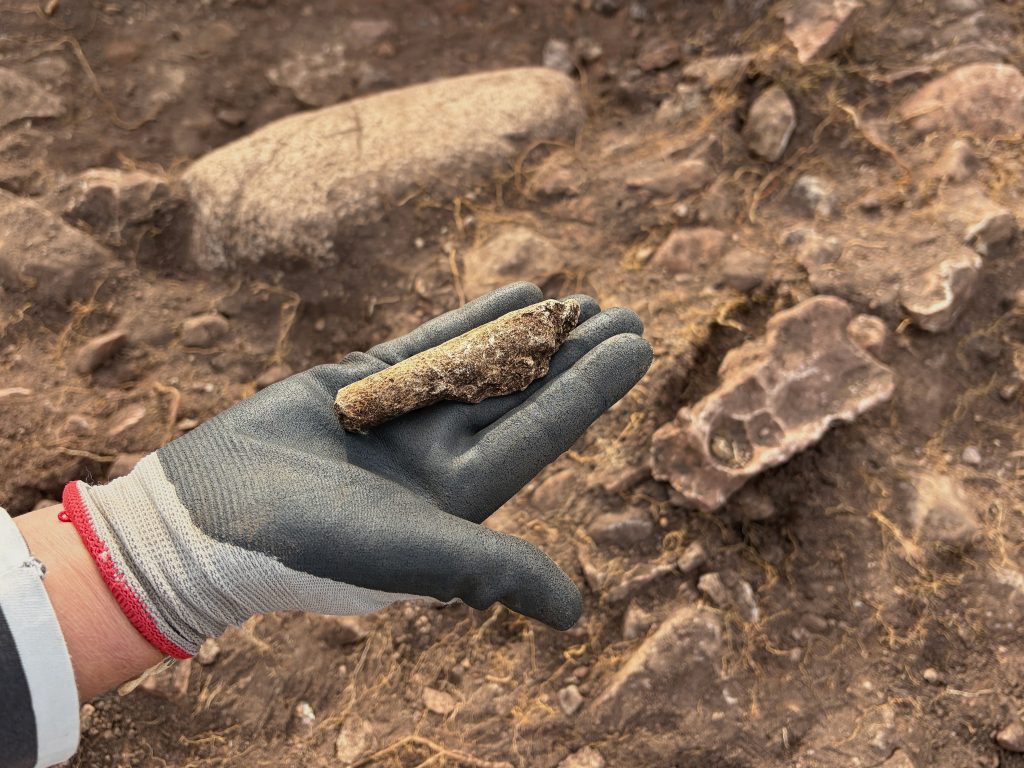
It was found on 17 September 2026, during a conversation among the students about how to distinguish a fossil from “just-a-stone”. Helena Deller, a Master’s student in archaeology, noticed the fossil and, just before removing it from the trench, showed it to Esin Karaosman, a visiting doctoral student at the Chair who was taking part in the excavation that day.

It was important enough for Esin to keep, but not important enough to be archived as part of the Iron Age excavation. The find has been documented at the Chair, where the investigation continues.

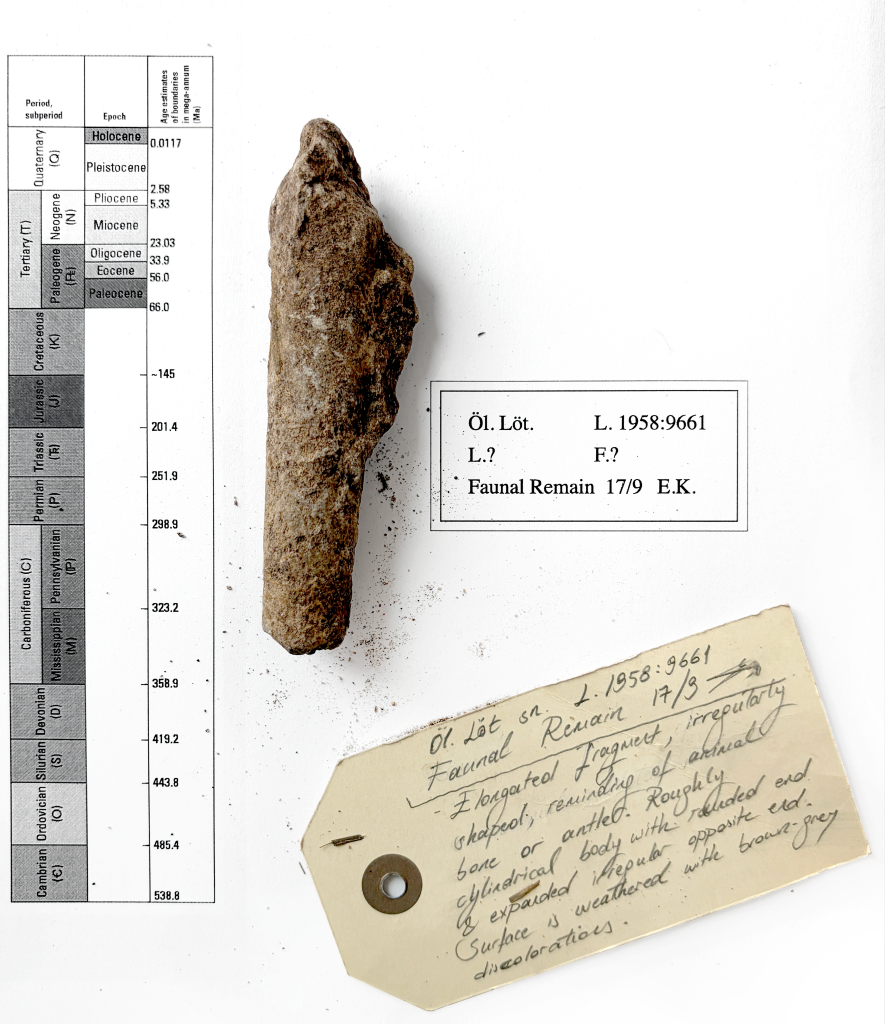
Fig.1: The documentation of the find, including its speculative future. (Photograph by Esin Karaosman.)

It is very possible that the find was already here when the Iron Age settlement was inhabited. Esin considers the find an important object for archaeological practice. “Perhaps someone living here in this Iron Age house picked it up too, because it reminded them of something,” she says. “Then we would be looking at the same stone or the same fossil, only making sense of it in different ways today.”

Whether or not the fossil was a part of the history of the site, therefore the past human lives, it has already become an archaeological find.

A conversation with a geologist at Linnaeus University, Christopher Allen, confirmed that it is a fossil. The find holds the traces of an animal that was once alive in the same place, but in a sea that covered Öland 450 million years ago.

Esin recalls a quote from Cornelius Holtorf which he said at another Iron Age site nearby, on 12 September at around 3.19 pm: “We are looking at the same sky as people in the Iron Age, sitting in the same place. We will probably look at the same sky, also in the future.” The fossil, too, will be looked at again, and its story will continue to unfold in the future.

Fig.2: The re-enactment of the moment when the fossil became an archaeological find. (Photograph by Esin Karaosman.)

The find is already evidence of a life that reaches far beyond the site’s Iron Age. It is also the evidence of the very recent past: of archaeological sensibility and of students being trained how to see; of the class that took place that day; and of the conversation between Helena and Esin about what counts as evidence for the story of a site.

Not only these stories change the life of the find, but also the finds and their stories change how the site will be remembered, known and imagined. Having escaped the Iron Age archive, the find continues its travels and transformations. (1)

Note: This article is inspired by the following article: Holtorf, C. 2006. “A silver ring discovered by Swedish archaeologists in Portugal.” World Archaeological Congress eNewsletter no. 12, and The European Archaeologist no. 26, 16.

(1) This endnote is left for the texts that will change the enduring life of the artifact, and of the site.

Various activities July – September 2026

2026-10-01

Cornelius Holtorf was among nearly 300 attendants of the UNESCO Futures Dialogues on ‘African Knowledge and Governance Systems for a Culture of Peace’ organized in the lead-up to the 4th edition of the Biennale of Luanda – the Pan-African Forum for the Culture of Peace in Africa (8 July 2026). In his introduction, Mohamed Elfarnawany (UNESCO) reminded the audience of the significance of the minds of people for peacebuilding because it is in the minds that people’s attitudes, behaviour and values are shaped. He suggested that the world needs African intellectual leadership in this area. George Ladaah Openjuru, Vice Chancellor of Gulu University in Uganda, pointed to the significance of the African ‘land-based’, indigenous knowledge system and Ubuntu, advocating a shift from ego to eco, i.e. promoting harmony with the environment and respect for people and nature to advance cultural peace. Others in the audience pointed to the fact that Africa consists of 54 countries, each with a plethora of tribes and languages, and unique forms of governance.

Cornelius Holtorf attended a regular online seminar of the Long-Term Governance Network, chaired by Sophie Howe (17 July 2026). Among the presenters were Manuel Castañón, President of the Foundation for the Protection and Defence of Future Generations, and Daouia Chalali who leads a project on long-term governance at the United Nations University’s Centre for Policy Research.

Cornelius Holtorf participated in the Inauguration of the Linnaeus Garden at Linnaeus University in Kalmar, Sweden, and served cheese cookies with wild oregano grown in soil at the Iron Age site of Gamla Skogsby (18 August 2026). Marcy Rockman, Gustav Wollentz and Emily Hanscam attended too.

Cornelius Holtorf gave a short talk on UNESCO, intangible cultural heritage and Swedish peace culture for more than 200 participants of the Peace & Climate Festival, arranged in Mellstabylund on Öland, Sweden, by the local Cultural Association “Karneval” (22 August 2026).

Cornelius Holtorf took part in an internal meeting with the Vice-Chancellor and other senior administrators and senior researchers discussing the future potential of Linnaeus University as a hub in UNESCO MOST-BRIDGES (27 August 2026).

Anders Högberg, Gustav Wollentz, and Cornelius Holtorf, among many others, took actively part in a 2-day workshop in Sigtuna, Sweden, organised by the Swedish National Heritage Board in connection with their project on Sustainable Cultural Heritage (27-28 August 2026).

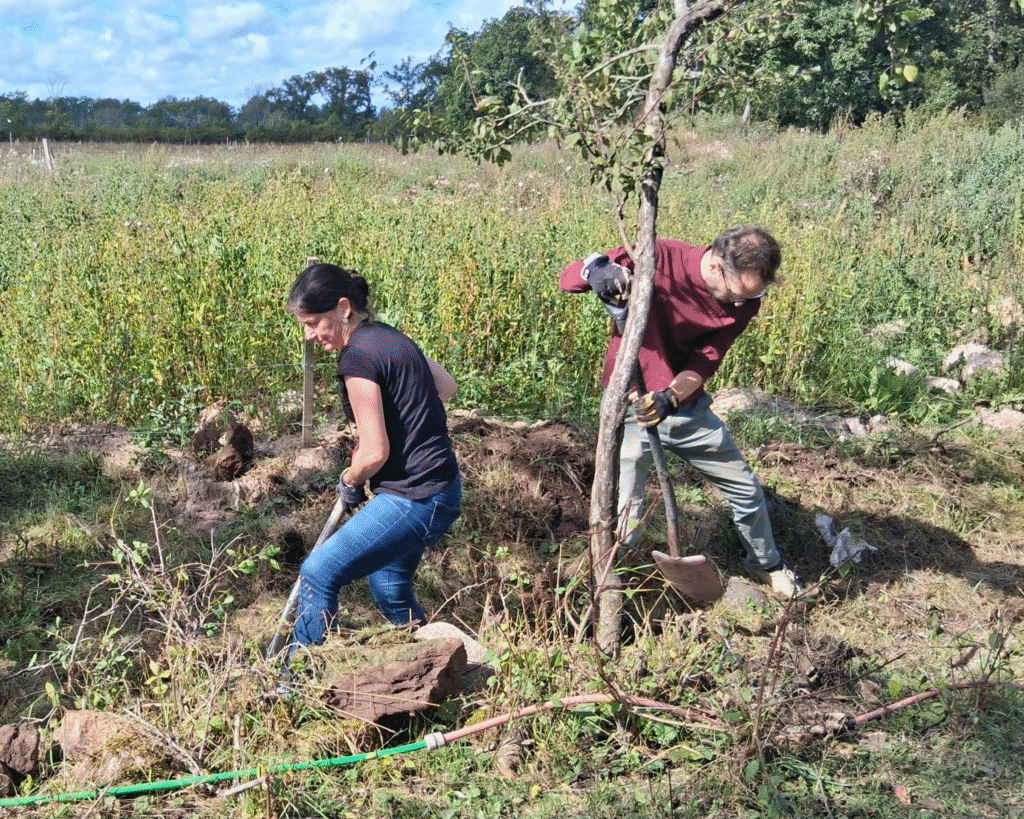
Cornelius Holtorf, Marcy Rockman, Emily Hanscam, and Gustav Wollentz, took part in the second workshop of the internally-funded interdisciplinary Hope-making project in which they collaborate with colleagues in English Literature, and artists. The two days hosted by the artist collective Kultivator in Dyestad on Öland was dedicated to preparing a future project involving not only archaeologists and literature scholars but also biologists, artists, and various non-human species. The days featured even some collaborative ditch digging and was in parts attended by some horses and a few dogs and cats (2-3 September 2026).

Cornelius Holtorf attended “Day Break”, an event facilitating meetings between 100 investors, entrepreneurs, and innovators from Linnaeus University, held at Vida Art Museum, Öland, Sweden (4 September 2026). Among those inspiring us was Björn Ulvaeus of ABBA fame and also holding an Honorary Doctorate from our University.

Cornelius Holtorf had an informal meeting about future collaboration with Johanna Blokker, Chairholder of the UNESCO Chair in Heritage Studies at the Brandenburg University of Technology (BTU), Cottbus-Senftenberg, Germany (10 September 2026).

Cornelius Holtorf attended a digital seminar of the ICOMOS International Scientific Committee on Aerospace Heritage on the topic of “Protecting Lunar Heritage: Developing Guidelines and Recommendations for Controlled Lunar Deorbiting” (14 September 2026) and engaged subsequently in correspondence with Bryan Lintott, the Committee’s Secretary-General, concerning questions of emphasis and strategy.

Cornelius Holtorf completed the Member Survey of the ICOMOS International Committee on Interpretation and Presentation (ICIP) responding to proposals for the planned Revision of the 2008 ICOMOS Charter for Interpretation and Presentation of Cultural Heritage Sites (16 September 2026).

Gustav Wollentz and Anders Högberg held a futures workshop in Malmö, Sweden, for 8 professionals in the cultural heritage sector in southern Sweden. The purpose was to inform the ongoing study on the sector’s future research needs in relation to social sustainability (22 September 2026).

Gustav Wollentz and Cornelius Holtorf held a futures workshop in Göteborg, Sweden, for 11 professionals in the cultural heritage sector in western Sweden. The purpose was to inform the ongoing study on the sector’s future research needs in relation to social sustainability (24 September 2026).

Cornelius Holtorf attended the European Heritage Hub’s online Policy Talk on how cultural heritage should fit into future European AI policies, featuring presentations by Hermann Parzinger, Executive President of Europa Nostra, Georg Häusler, Director of Culture, Creativity and Sport in the European Commission, and Mariya Gabriel, Assistant Director General for Communication and Information at UNESCO, among others (29 September 2026). The occasion was the publication of a new policy paper entitled “Beyond adopter and supplier: putting cultural heritage at the heart of Europe’s Public AI ecosystem,” emphasizing the needs to innovate in Europe, to protect cultural diversity and heritage in Europe, and to empower creators and people in Europe through the development of Public AI.

Heritage Futures@Aarhus

2026-09-22

A new research programme dedicated to Heritage Futures has been launched at the University of Aarhus in Denmark. As the researchers explain,

“We are interested in how heritage can shape the present and future. Mostly people think of heritage as something that ‘has been’, something in the past, but heritage is produced in the present and shapes the future. (…)

One of the debates that we want to engage is the emerging conversation around Heritage-based Solutions (HbS) to global challenges, like the climate emergency and social and economic inequality. For us, heritage is an important route towards social justice, hence the theme for the first year of the research programme is ‘Decolonial Futures’ in which we engage with difficult and contested questions of coloniality and its shaping effects in Denmark and more broadly. (…) In the second year we will explore the subject of utopia/dystopia. (…)

The emerging debate around Heritage-based Solutions understands heritage as a ‘solutions archive’ that we can draw on to address contemporary challenges. We are an ingenious species, and we have faced many challenges in the past, including the challenge of rapidly transforming climatic conditions. (…) In this moment of crisis, it makes sense to draw on the archive of heritage to find solutions and inspiration.

Good luck with your work!

Bye Bye Bryggen!

2026-09-20

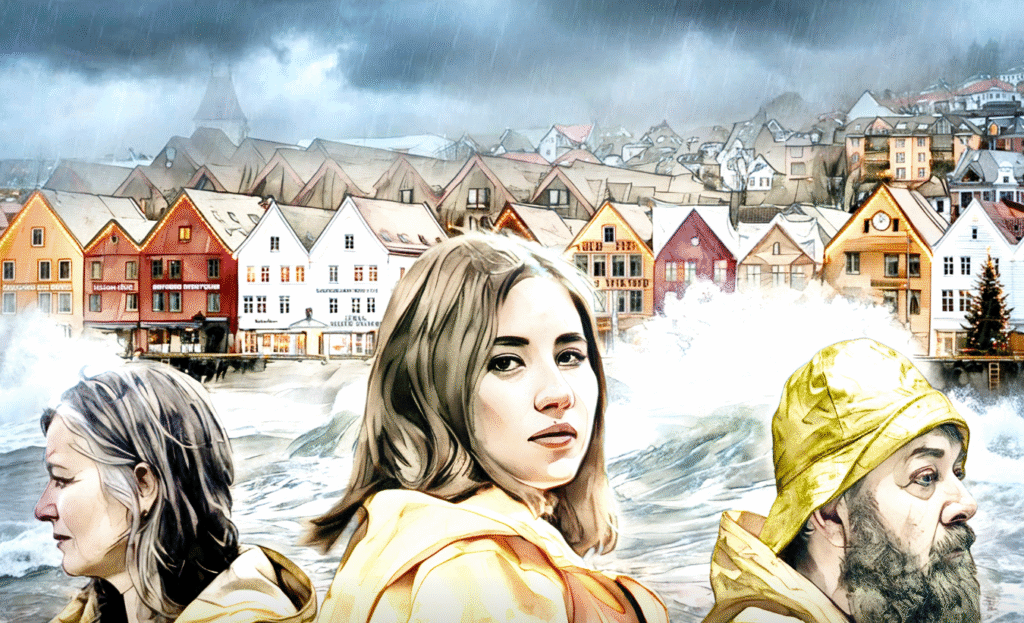
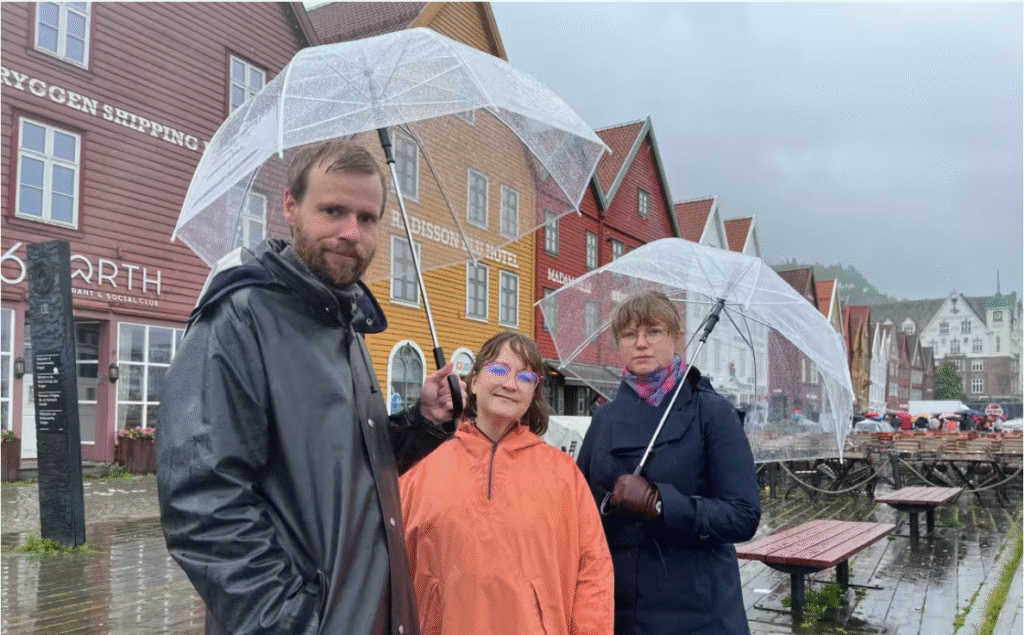
I have been listening to a very interesting audiowalk through Bergen’s World Heritage Site of Bryggen and the city’s climate future. The title is Bye Bye Bryggen.

The audioguide was produced by Umami Productions and they describe the task as follows (automated translation of the Norwegian original):

The World Heritage Site of Bryggen is located right by the water in Bergen, Europe’s rainiest city. What will happen to the World Heritage Site in the future is an open question, given that the problems caused by flooding and storm surges will become increasingly severe as the years go by. In Bergen, intensive work is underway to assess the future in order to make informed decisions about how infrastructure needs to change. However, the primary language of climate research is numbers and graphs—and it can be difficult to understand their real implications, even for experts working with future analyses.

To solve the task at hand, Umami wrote two stories based on very different scenarios. They describe the underlying key ideas as follows:

Bye Bye Bryggen is a fictional story about the lives of two siblings. They are born in the early 2020s and experience the great storm that hits Bryggen in 2072. Almost thirty years later, one of the siblings’ grandchildren is given a school assignment: go home and interview your relatives about something that has happened in their lives. Tonje, the granddaughter, has always wondered what really happened during the storm. The only thing she knows is that her grandfather, her mother, and her grandfather’s sister were at Bryggen when the storm struck, where the family had a shop. And that her grandfather and his sister have not spoken to each other since then.

Bye Bye Bryggen is based on the idea that all our decisions—both major political decisions and the small decisions we make in our everyday lives—affect the future. This is what we explore through the story of the siblings. Their private conflict mirrors larger conflicts in the society in which they live. The concept allows you to choose between two different futures. One takes place in a world where major conflicts have been resolved through various forms of agreement. The other is a future in which the conflicts remain unresolved. The idea is that the different versions will stimulate conversations about what kind of future we want, what we are prepared to sacrifice, and which values matter when we are forced to compromise because of climate change.

The project may be called Applied Heritage Futures: set in 2100, it makes audiences think about the role of cultural heritage in managing the relations between present and future societies. This is clearly expressed at the very end of the audioguide when the narrator gives this advice:

“Remember, there are endless possible futures, and whatever future may come, we create it together.”

You can listen to the two versions of the audioguide through The World Heritage of Bryggen at Bergen by downloading the Climaginaries app for free. Highly recommended!

Nordic World Heritage Conference

2026-09-15

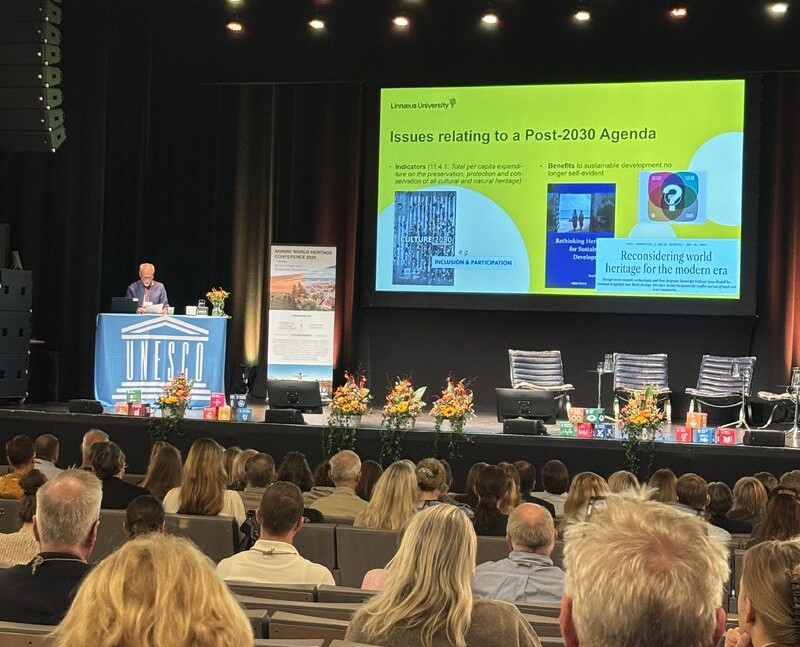
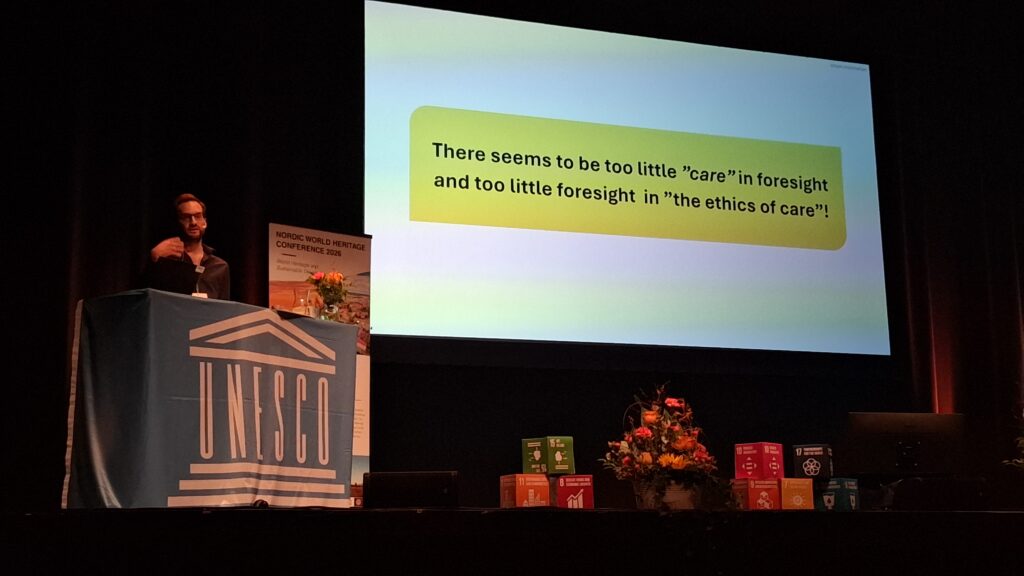
Cornelius Holtorf and Gustav Wollentz were invited speakers at the Nordic World Heritage Conference 2026 attended by about 200 World Heritage managers and policy-makers from all the Nordic countries and held in Karlskrona and on Öland (15-16 October 2026). The theme was “World Heritage and Sustainable Development.”

The conference was officially opened by H.R.H. Prince Carl-Phillip.

Cornelius Holtorf presented a keynote entitled “World Heritage in a Post-2030 Agenda”. He explored the ongoing international dialogue around a post-2030 agenda and its implications for World Heritage. The session highlighted how heritage can relate to future frameworks for sustainable development.

Gustav Wollentz talked about “The value in futures thinking for World Heritage”. He reflected on how future perspectives can—and should—be integrated into World Heritage work.

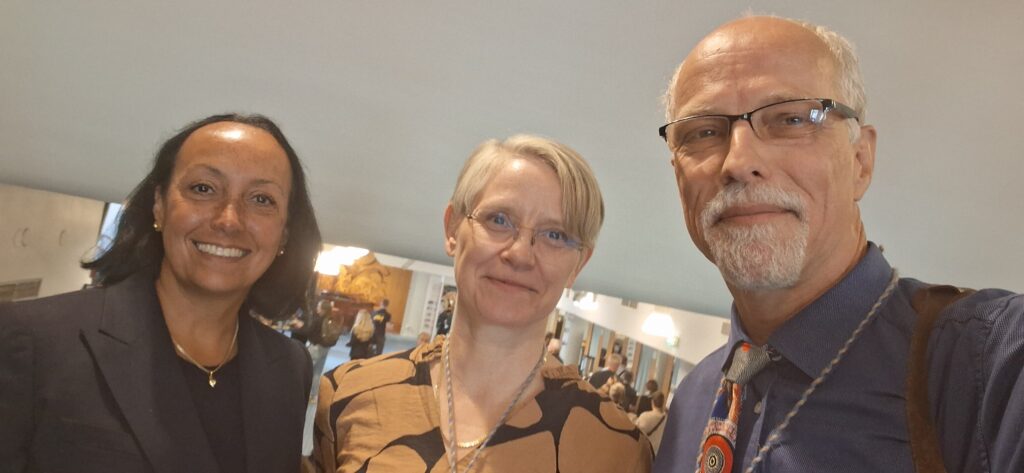
The meeting also provided an opportunity for meetings with colleagues from near and far. Here, from left to right: Elene Negussie (World Heritage Coordinator, Swedish National Heritage Board), Maria Wilenius (Secretary General, Swedish UNESCO Commission, and Cornelius Holtorf).

UNESCO80 Initiative

2026-08-18

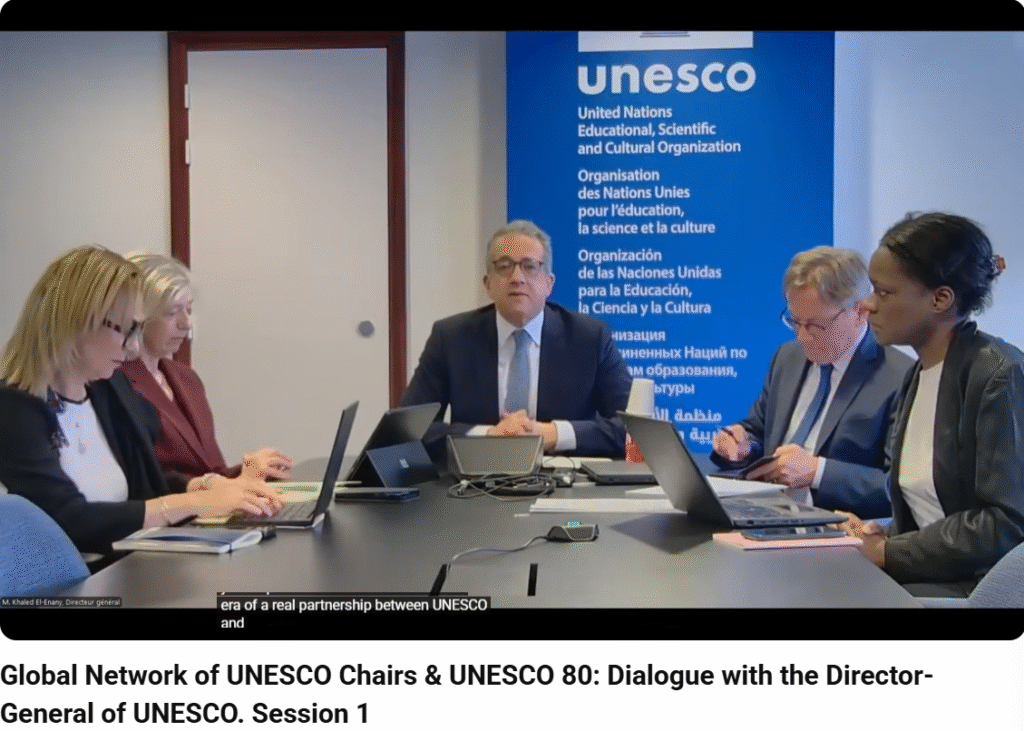
Cornelius Holtorf listened to a first dialogue of the Director-General (DG) of UNESCO, Professor Khaled El-Enany with some 600 UNESCO Chairs (more than half of the total!), held in two sessions on 29 January 2026. El-Enany emphasized the significance of the UNESCO Chairs and UNITWIN networks as well as the need for UNESCO of utilizing the “priceless” expertise, knowledge, and research of the UNESCO Chairs and UNITWIN networks. This important meeting was intended as the beginning of a series of meetings during the DG:s entire mandate. In the framework of the UNESCO80 initiative: Shaping UNESCO’s Future Together, El-Enany asked the Chairs for observations, aspirations, ideas and suggestions to build together the strategy for the future of UNESCO, at the same time identifying or improving synergies between UNESCO and the Chairs. The DG concluded by calling for a more efficient and better coordinated way of collaborating with the UNESCO Chairs and UNITWIN networks, offering them a win-win deal: “Lets start a new era of a real partnership between UNESCO and every one of the Chairs.”

I submitted the following suggestions:

To Professor Khaled El-Enany
Director-General of UNESCO

7 July 2026

Dear Professor El-Enany,

During your first dialogue as DG with UNESCO Chairs at the end of January, you invited Chairholders, in a spirit of intellectual collaboration, to contribute ideas and aspirations for UNESCO’s future role in an evolving world. You encouraged us to reflect on how UNESCO can respond to emerging realities, including climate change, digital inequalities, threats to human rights, and other global challenges.

Since 2017, I have held the UNESCO Chair on Heritage Futures at Linnaeus University in Sweden. The Chair explores the role of heritage in shaping relationships between present and future generations. I was also pleased to meet you briefly during your much appreciated participation in the Chair’s reception on World Futures Day in Paris on 2 December 2025.

In response to your invitation, I would like to offer a few reflections that may contribute to UNESCO’s work in the context of UN80 and support greater effectiveness, coherence, and impact across the United Nations system.

1. Strengthening long-term thinking

The 2024 UN Pact for the Future highlighted the importance of long-term thinking in addressing global challenges. UNESCO is uniquely positioned to advance this agenda. The cultural heritage sector as well as the humanities and social sciences offer rich resources for understanding long-term societal change, while futures literacy and foresight provide tools for imagining and preparing for alternative futures.

Closer collaboration between these domains could strengthen UNESCO’s contribution to anticipatory governance and intergenerational fairness, while also fostering synergies across the UN system. The UNESCO Chair on Heritage Futures would be pleased to contribute to such efforts.

2. Understanding our shared human heritage

Culture shapes how people make sense of the world and relate to one another. Addressing global challenges, including climate change, emerging technologies, pandemics and nuclear risks, requires trust, solidarity, and a sense of shared responsibility.

UNESCO could further strengthen its leadership by promoting awareness of humanity’s common heritage and shared destiny, complementing its important work on cultural diversity. Greater attention to what unites human beings across cultures, histories, and regions may help foster mutual understanding and strengthen global cohesion for the benefit of people living now and in the future. This effort could draw productively on expertise from both the social and natural sciences, including research on our shared human origins and our genetic heritage.

3. Reimagining heritage and change

In a world increasingly characterized by rapid change and transformation, heritage remains an important resource for individuals and communities seeking continuity and resilience. Yet heritage is not only something to be safeguarded against identified threats; it can also be a catalyst for desirable positive change and transformation.

UNESCO could lead a broader conversation on how changing and emerging heritage practices can contribute to human happiness, equality, justice, and human rights. This may involve complementing traditional preservation approaches with perspectives that recognize heritage as a dynamic concept reflecting past and present people’s choices while informing future ones in pursuit of both human well-being and people’s own aspirations.

4. Expanding UNESCO’s leadership on human–environment relations

UNESCO emerged from intellectual traditions grounded in humanism and cooperation between peoples. Today, all of humanity faces planetary challenges associated with environmental degradation, biodiversity loss, and climate change that affect both human and non-human life.

Building on UNESCO’s recent leadership in areas such as the ethics of artificial intelligence, the Organization could further advance reflection on human–environment relations through fields such as the environmental humanities and interdisciplinary approaches on planetary cohabitation, interspecies care, and related topics. UNESCO is exceptionally well placed to foster dialogue on the wider implications of post-human thinking.

I would be pleased to elaborate on any of these ideas, adapt them in light of UNESCO’s priorities, or contribute to future initiatives in these areas.

Thank you for inviting UNESCO Chairs to share their perspectives and suggestions in the framework of UN80. I greatly appreciate this opportunity to contribute to UNESCO’s future work.

Yours sincerely,

Cornelius Holtorf
Chairholder, UNESCO Chair on Heritage Futures, Faculty of Arts and Humanities, Linnaeus University, Kalmar Sweden, http://lnu.se/en/unescochair

P.S. As a Chairholder based at a university, I may not always be fully aware of the institutional and political considerations that shape UNESCO’s priorities and programmes. It is therefore possible that some of the ideas outlined above overlap with ongoing initiatives. If so, I would welcome opportunities for stronger communication and exchange between UNESCO and its Chairs, helping us better understand and contribute to the Organization’s work.

Various activities April – June 2026

2026-06-30

Anders Högberg, Gustav Wollentz and Cornelius Holtorf, among others, took place in an informal meeting with the national organizers of “Collection Forum 2026. Visions and Innovations”, a conference attracting ca 150-200 participants and taking place in November 2026 in collaboration with Kalmar County Museum in Kalmar (7 April 2026).

Cornelius Holtorf briefly presented some theoretical perspectives on time travel in different formats for the emerging internal Centrum for living and embodied history at Linnaeus University. Even Gustav Wollentz participated in the meeting (8 April 2026).

Cornelius Holtorf was interviewed by a group of students at Sciences Po Paris, reading the course Policy Making Initiative for Sustainability, about various issue concerning future generations and long-term memory in the context of nuclear waste (9 April 2026).

Cornelius Holtorf took place in the regular meeting of the International Scientific Committee on AeroSpace Heritage of the International Council of Monuments and Sites (ICOMOS) which discussed, among others, including a presentation on Space Law at the UN Committee on the Peaceful uses of Outer Space’s 65th Legal Sub Committee’s meeting in Vienna (10 April 2026).

Cornelius Holtorf had an informal discussion with Sarah Thomas and Zoe Tcholak-Antitch on continuing collaboration regarding their Future Generations Communications Playbook (13 April 2026).

Cornelius Holtorf presented an invited online lecture entitled “Nuclear Waste as Heritage of the Future: What Archaeology Teaches Us About 100,000-Year Communication” for ca 20 participants in the NewComers4Nuclear Global lecture series (14 April 2026).

Cornelius Holtorf had an informal meeting, discussing future collaboration, with Mathias Lafolie, Head of Culture at the municipality of Kalmar (16 April 2026).

Cornelius Holtorf co-presented a talk on “Thinking with Soil in Heritage Matters” for an audience of 20 students and researchers at the Green Zone Higher Seminar in Environmental Humanities at the University of Stockholm, Sweden (23 April 2026).

Anders Högberg, Cornelius Holtorf, and Gustav Wollentz, among others, took part in an informal virtual meeting with Chiara Bortolotto, UNESCO Chairholder in Intangible Cultural Heritage and Sustainable Development in Paris, discussing future research needs concerning the contribution of intangible cultural heritage to social sustainability (30 April 2026).

Cornelius Holtorf was among ca 90 participants from the global region of Europe and North America in a meeting by the Sustainable Development Goals Working Group (SDGWG) of ICOMOS on “Integrating Culture and Cultural Heritage into Sustainable Development” (19 May 2026).

Cornelius Holtorf attended a Briefing on Culture, Heritage and Adaptation related to the forthcoming UNFCCC intersessional meeting known as SB64 and organized by the Heritage Adapts to Climate Alliance (HACA) (20 May 2026).

Cornelius Holtorf presented a talk on “Heritage Futures – how cultural heritage can make us hopeful” for the K3 Heritage Research Seminar at the University of Malmö, Sweden (25 May 2026).

Anders Högberg, Cornelius Holtorf, Gustav Wollentz and Marcy Rockman participated in a working meeting with Philip Buckland, Umeå University, and Marcus Fjellström, University of Stockholm, on synergies regarding the project on sustainable heritage funded by the Swedish National Heritage Board (27 May 2026).

Several members of the Chair digitally attended a lecture by Kim Stanley Robinson on “Designing a Just Climate Future”, held in the UNESCO Thought Leaders series in Paris (3 June 2026). Robinson is the author of “The Ministry of the Future”, among other novels. UNESCO stated: “His body of work explores the long-term future of humanity through a blend of scientific rigor, ecological awareness, and socio-political imagination. His novels examine how collective choices shape possible futures, often presenting multiple pathways rather than fixed outcomes. This approach aligns closely with the goals of the UNESCO MOST Programme and its emphasis on anticipatory, evidence-based policy for social transformations, using Futures Literacy and Foresight to enhance our capability to use the future to shape the present. Robinson’s speculative scenarios help readers and policymakers alike imagine alternative systems, anticipate challenges, and cultivate the capacity to navigate uncertainty—core principles in contemporary futures and foresight methodologies.”

Cornelius Holtorf participated actively updating progress in regarding our working group on heritage processes and futures literacy in the second Plenary Meeting of the Expert Group on Archiving and Awareness Preservation (EGAAP-2) of the Nuclear Energy Agency held at the OECD in Paris (11-12 June 2026).

Cornelius Holtorf attended a virtual UNESCO Futures Dialogue on “Time and Possibilities: Governing and researching time in new ways for transformative futures”. Among the speakers for an audience of cirka 170 , including many UNESCO Chairs, were Keri Facer and Michelle Bastian (24 June 2026).

Cornelius Holtorf (and Marcy Rockman??) made suggestions for an update of the 2008 ICOMOS Charter on the Interpretation and Presentation of Cultural Heritage Sites, responding to a call members of the ICOMOS International Scientific Committee on Interpretation and Presentation (ICIP) (27 June 2026)